Hold the hardest days of other people’s lives and still feel like yourself at dinner.
In oncology, palliative care, hospice, emergency medicine, and the ICU, you're expected to bear someone's worst day, then go home and cook dinner as if nothing happened. That's not work-life balance. That takes a self-trust most advice was never built for.
join today →
You’ve gotten very good at fine.
Fine is a functional place to live. You show up, you chart, you take the extra patient. You get through the shift, the dinner, and the bedtime routine, and from the outside it looks like you’re handling it. Fine gets a lot done. It also costs a lot, and the bill arrives in places you may not be looking. If nothing changes, here is where it tends to go:
- Resentment runs on a loop. Between the paperwork and the patients the short-staffed unit hands you, a track plays in your head: “Screw this. I’m better than this. Why am I even working here? These people don’t love me back.”
- Your body pays first. The wine gets poured before you’re through the door, and it has started to feel normal. The dinner you planned feels like too much, so the kids get chicken nuggets and you eat crackers standing at the counter. You can’t remember your last workout. Your shoulder aches, your back aches, and half a flight of stairs leaves you winded.
- You’re home, but you’re somewhere else. You replay conversations you wish you’d handled differently and patients you couldn’t help because the system failed them. With your kids, you snap or you avoid, because you can’t absorb one more thing.
- Someone is watching how you live. If you have a daughter, you may have asked yourself: Is this the life I want her to see? Am I modeling the health, the boundaries, the wholeness I’d want for her?
- The future feels far away. You daydream about the day you walk away from this system for good. Quietly, you wonder whether you’ll make it that far, or be too worn down to enjoy it when you do.
- Underneath it all, a quiet grief. I could have done something amazing. I could have really helped people. I never became who I could have been.
If you recognized yourself in that list, you are in very good company. Most women doing this work carry some version of it, and most of them carry it alone. Fine was a smart strategy for getting through the early years. It was never meant to be where you live for the next twenty.
Do You Feel like, a shell of your former self
01 Exhausted even after 8 hours of sleep. You dread going to work. You feel numb, detached, and guilty for feeling anything at all.
02 It's impossible to switch off after a shift. You rehash every loss, every death, every hard case in your head.
03 You're irritable with the people you love. You have a constant knot in your chest, a tight jaw, and shallow breathing.
04 You feel like you are "on" all the time and never truly rest. And underneath it all, you feel guilty for wanting to take care of yourself.




WHAT IF...
It Didn't Have
TO BE THAT WAY?
What if you could go from being "the strong one who never needs anything" to "the woman who knows her worth and takes care of herself."
What if there was a way out of being a caregiver who gives until she's empty. A way to be a woman who can care for others because she first cares for herself.
What if going sideways didn't have to mean losing yourself? What if you could feel the ground shift and still know, I've got me?
INTRODUCING
SELF TRUST SCHOOL
The place for high achieving women in medicine and healthcare to find the ground beneath their feet again.
After so many years of striving and trusting the system to reward your efforts, it is time to decide that trusting yourself is more important. Healthcare and the world in general are chaotic and we can't fix most of it. When we have a strong foundation of self trust we can operate from responsivenes, not reactivity.
enroll now →WHO IS THIS FOR
Self Trust School is for women with "regular" problems.

Nothing is technically wrong, and you still don't feel right. No diagnosis, no crisis. Just the steady weight of a full life, and a body and mind asking for more care than you've had time to give them.
You're a doctor who rolls your eyes at yoga. Good. Bring the skepticism. Yoga is potent medicine, and plenty of people who love it now started out resisting it.
You've decided you "can't meditate," but you're curious anyway. You've seen what a trained mind can do under pressure and wondered what it would feel like to have one. You don't need a quiet mind to start. You need a few minutes and a willingness to notice.
You'd rather use food, movement, and daily habits to ease the small aches of life. The stiff back, the restless sleep, the afternoon crash, the short fuse. You want tools you can use yourself before reaching for another quick fix.
It may not be the right fit if you're managing a specific medical or psychiatric condition that needs clinical care. Self Trust School can sit alongside that care, and your clinician should stay your first call.
Why is self-trust so hard for women?
You were born knowing how to trust yourself. We're here to help you remember.
HEY I'M
EMMA JONES
I want you to know I have lived this from the inside.
I'm a pediatric oncologist turned palliative care specialist turned hospice physician. I have spent years at the bedsides of dying children and adults, supporting families in their most devastating moments, and holding space for things most people can't even bear to think about.
I also burned out. Quietly, thoroughly, and in ways I didn't recognize until I was already deep in it.
What I found on the other side is that the path back isn't about self-care routines or setting better limits. It's about fundamentally rewiring the relationship between your compassion and your sense of self. I've spent years building this into a methodology that I can easily give to others.
That's the work I do. And it works because I built it from the inside of the very life you're living.
more info →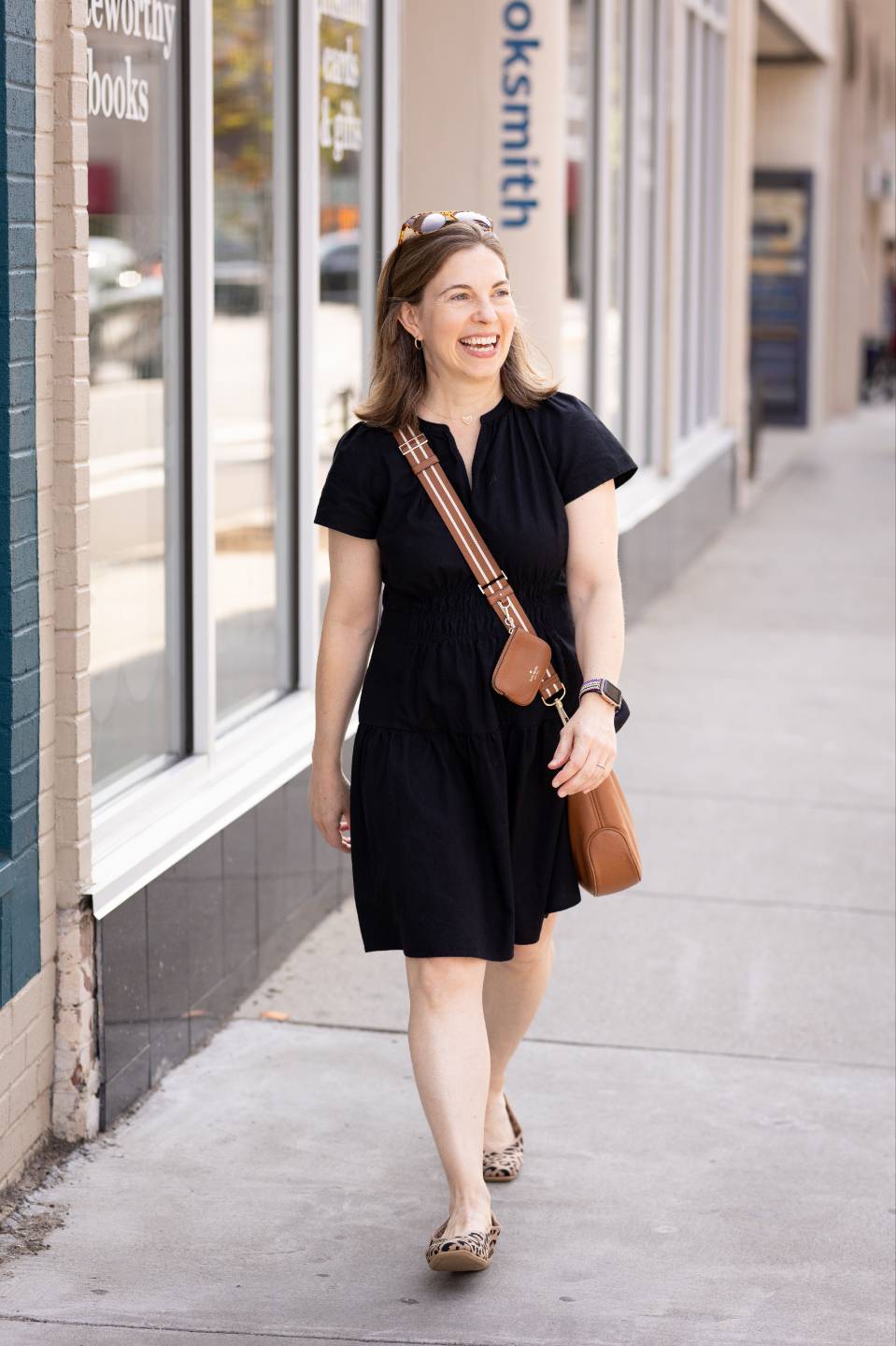
What You're Going To Get
3 SIMPLE MONTHLY PRACTICES
We practice letting go and widening the space between stimulus and response. Each month you will get 3 new practices all specifically designed to accelerate your well-being without requiring hours each day.
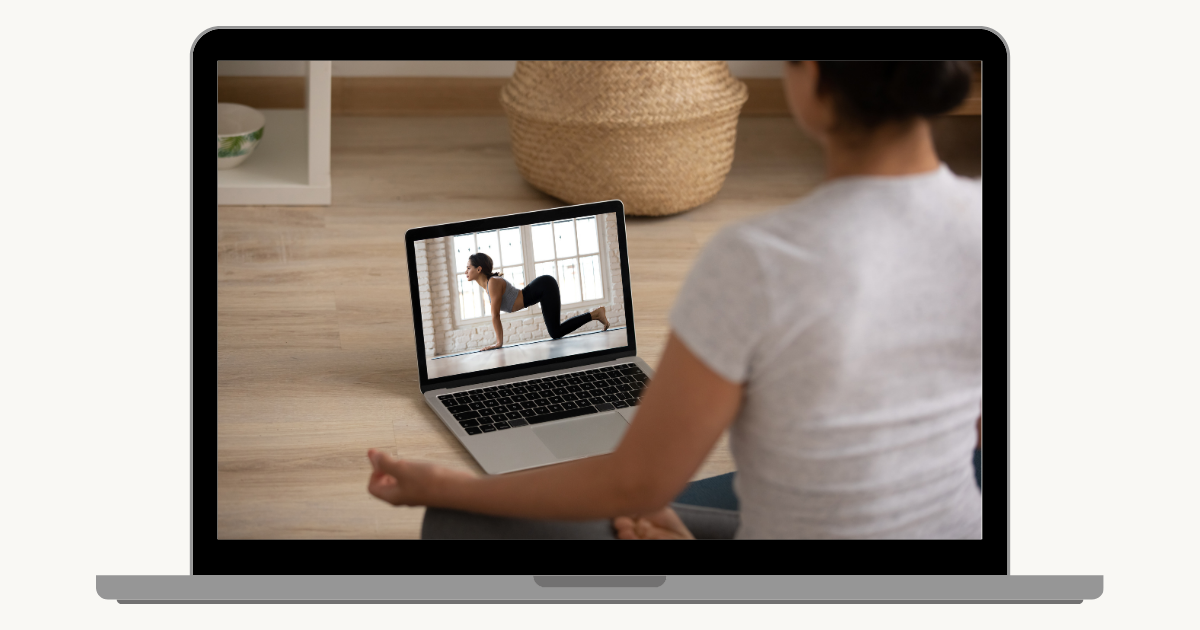
01 YOGA
02 MEDITATION
03 MINDSET
GET STARTED
A Year of Practice for less than a month of most things you've tried
THRIVE was a $5,000 program. Private coaching runs $1000 per month. Self Trust School gives you the same depth of work over a year, for a fraction of either.
Therapy cost $200-300 per session and most yoga studios run $100-200 per month.
Apps may be free but aren't worth much if you don't actually use them and having a huge catalogue of offerings adds more overwhelm, not more value.
Self Trust School Solves all of this. Founding member rate: $27/month
Join before October 12 and your rate is just $27 a month. That’s $324 for a full year.
Regular rate: $47/month
On October 12, the price moves to $47 a month. A full year at that rate is $564.
What a year gets you
Twelve months of yoga, meditation, and mindset work, with a live group coaching session every month and a community that keeps your conversations private. Stay for a year and you’ve done the equivalent of THRIVE, or many months of private coaching, without the $5,000 price tag.
Self-trust gets built the way a body gets stronger: a little at a time, repeated. That’s why this is a membership instead of a one-time program. You don’t need a big push of effort. You need a steady place to practice, and a price that lets you stay long enough for it to work.
A year from now you could be someone who is steady in herself, even on the hardest days.
Join at the founding rate today. The $27 price is available until October 12.
Founding Members Subscription
$27/mo
One yoga practice. One meditation. One mindset training. Zero Overwhelm.
enroll now →No Risk, Just Solid Ground
Cancel anytime, no questions asked. If Self Trust School isn't giving you what you need, you can walk away whenever you want. No guilt, no hoops, no hard feelings. That's not a marketing line, it's the whole point of this work: you get to trust yourself enough to know what's right for you, and act on it.

STILL GOT QUESTIONS?
Frequently Asked
QUESTIONS
"I'm not a yogi."
"What the heck is coaching?"
"I already have an exercise app."
"Is it like therapy? Are you a therapist"
"I already have a meditation app."
"What is mindset work, and why does it matter?"
"Only four sessions a month? That doesn't seem like much."
"How is the content delivered"
Imagine Trusting Yourself Like This
You believe in yourself as someone who can accomplish anything you set your mind to. You trust that you can weather any storm, not because storms won't come, but because you know you're the kind of person who gets through them. You trust yourself enough to sit with discomfort instead of numbing it away. You trust yourself to have the hard conversation, to make the tough apology, to say the true thing even when it's uncomfortable.
You're ready to fly, because you've finally found solid ground beneath your feet. And you trust yourself enough to try, again and again, because you know that ground will always be there to return to.
This is what Self Trust School builds: one month, one practice, one small rep at a time.
Find My Solid Ground